(It Might Be More Important Than the First)
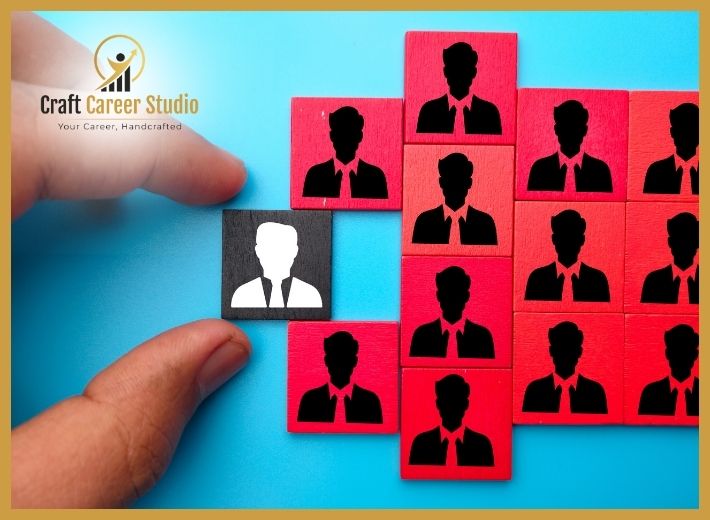
If your resume gets you through the door, your LinkedIn profile often determines whether that door opens at all. Today, recruiters don’t rely solely on job applications. They actively search for candidates. And when they find you, your LinkedIn profile becomes your first impression, long before you ever submit a resume.
For many job seekers, that shift has gone unnoticed. They update their resume when they’re job searching, but their LinkedIn profile remains static: outdated, underdeveloped, or missing entirely. And in a hiring world that increasingly prioritizes visibility and searchability, that’s a missed opportunity.
We see it all the time at Craft Career Studio: highly qualified professionals who aren’t being discovered simply because their LinkedIn presence isn’t working for them. The good news is that, with the right strategy, LinkedIn can become one of the most powerful tools in your job search.
The Shift to Search-Based Hiring
Recruitment has evolved. Instead of waiting for candidates to apply, employers now take a more proactive approach. Recruiters use LinkedIn as a search engine, filtering candidates by job titles, skills, experience, and keywords. In many cases, your profile is being evaluated before you even know an opportunity exists. That means your LinkedIn presence isn’t just a supplement to your resume; it’s a core part of your career strategy.
If your profile isn’t optimized with relevant keywords or aligned with your target roles, you may never appear in those searches. And you can’t be considered if your profile doesn’t show up. Visibility is about structure, not luck.
Your Headline
The First (and Most Overlooked) Opportunity
Your headline is one of the most important and most underutilized sections of your LinkedIn profile. It follows your name everywhere on the platform. It shows up in search results, connection requests, and comments. And in many cases, it determines whether someone clicks on your profile at all. Yet most professionals treat it as a placeholder. They list their current job title and leave it at that.
Your headline can do so much more. A strong headline communicates not just what you do, but the value you bring. It adds context, clarity, and direction. It helps both recruiters and hiring managers understand where you fit.
Instead of simply stating your role, your headline should position you.
Not just:
“Project Manager”
But something closer to:
“Project Manager | Delivering Cross-Functional Projects That Improve Efficiency and Drive Results.”
It’s a small shift, but it changes how you’re perceived.
The About Section
Strategy Meets Story
If your headline gets someone to click, your About section is what keeps them reading. This is where many LinkedIn profiles fall short. Too often, it’s either left blank, written in a rushed tone, or copied directly from a resume summary.
But this section is an opportunity to do something your resume can’t fully accomplish: tell your story.
A strong About section should be deliberate. It should introduce you, highlight your strengths, and provide a clear sense of direction. That doesn’t mean writing a long, detailed autobiography. It means being selective and strategic.
Think of it as a narrative with three parts:
- A clear opening that defines who you are professionally.
- A middle that highlights your key strengths and achievements.
- A closing that reflects where you’re headed.
This is also where tone matters. While your resume tends to be more formal and structured, your LinkedIn profile can be slightly more conversational: still professional, but more human. That balance is what makes it engaging.
Experience That Shows Impact
(Not Just Activity)
One of the most common mistakes on LinkedIn is treating the Experience section like a job description. Listing responsibilities might explain what your role involved, but it doesn’t communicate how well you performed. And that’s what employers care about. Your experience should highlight the impact. Instead of focusing on what you were responsible for, focus on what you achieved. What changed because of your work? What results did you contribute to? How did you add value?
This doesn’t mean every bullet point needs to include a number — but where possible, measurable outcomes strengthen your credibility. Even small shifts in language can make a difference. “Managed team operations” becomes: Led daily operations for a team, improving workflow efficiency and consistency The goal is clarity, not complexity.
Skills, Keywords, and Search Visibility
Spoiler alert: LinkedIn isn’t just a networking platform; it’s a search engine.
And like any search engine, it relies on keywords. The words you use throughout your profile, in your headline, About section, and experience, play a major role in whether you appear in recruiter searches. This is where alignment becomes important. If you’re targeting a specific role, your profile should reflect the language commonly used in that role’s job descriptions. This includes skills, tools, and core competencies.
Your Skills section also plays a supporting role here. Adding relevant skills and keeping current helps reinforce your profile’s positioning. But this isn’t about keyword stuffing. It’s about consistency. When your messaging is aligned across your entire profile, it becomes easier for both algorithms and people to understand what you bring to the table.

Activity
The Valuable Layer Most People Ignore
A complete profile is essential, but activity adds another dimension. You don’t need to become a full-time content creator to benefit from LinkedIn engagement. But showing up occasionally can increase your visibility in meaningful ways. This could be as simple as:
- Sharing an insight or perspective
- Commenting on industry-related posts
- Engaging with content from your network
These small actions signal that you’re active and engaged in your field. They also make your profile feel current. In a platform where visibility matters, even light engagement can make a difference.
Consistency Between Resume and LinkedIn
Your resume and LinkedIn profile should support each other, not duplicate each other. Consistency in messaging is important. Your roles, timelines, and core achievements should align; however, your LinkedIn profile allows for a bit more flexibility. It can be more extensive. Slightly more conversational. More reflective of your personality.
Think of your resume as a focused, targeted document for a specific role. Your LinkedIn profile is your broader professional presence, always working in the background. Together, they create a more complete picture.
A Strong LinkedIn Profile Counts
The hiring process no longer follows a linear path. Candidates don’t just apply and wait. Recruiters don’t just post and review. The process is dynamic, ongoing, and often happens behind the scenes. That’s why LinkedIn has become so important.
It allows you to:
- Be discovered for roles you didn’t apply for.
- Build credibility before conversations begin.
- Reinforce your experience and positioning.
- Stay visible within your industry.
In many cases, it’s not just supporting your job search; it’s driving it.
Crafting a Profile That Works for You
At Craft Career Studio, our approach to LinkedIn is the same as our approach to resumes: we proceed intentionally, with a clear strategy. We don’t just update profiles. We position them.
We consider how recruiters search, how hiring managers evaluate, and how professionals can present themselves clearly and confidently in a competitive space. Because in today’s market, being qualified isn’t enough. You need to be visible. You need to be understood. And you need to be positioned in a way that makes opportunities easier to find you.

Is your LinkedIn profile working for you, or just sitting there? If your profile isn’t attracting recruiter attention or aligning with your career goals, a few strategic changes can make a significant difference. Craft Career Studio helps professionals transform their LinkedIn presence into a powerful, search-optimized extension of their resume. Get found. Get noticed. Get closer to your next opportunity. Connect with us today by calling 908-472-1461 or by emailing info@CraftCareerStudio.com, and let’s get started!